The Science of Stuff
Science shapes the world around us, sometimes in surprising ways. From clothes that stretch with your movements to the phone in your pocket, science is embedded in the stuff of everyday life.
DISTILLATIONS MAGAZINE
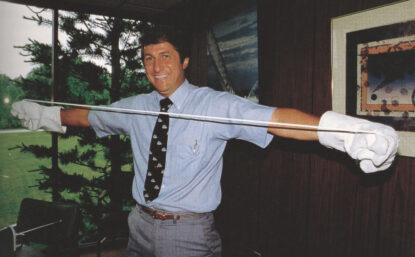
Bob Gore’s Cozy Revolution
Gore-Tex changed the way Americans went outside.
DIGITAL COLLECTIONS
Plastics & Synthetic Fibers Collection
This digital collection documents the history of plastics and synthetic fibers.

DISTILLATIONS PODCAST
The Yoga Pant Problem
Learn about the rise of synthetic fibers and the war on cotton.
SCIENTIFIC BIOGRAPHIES
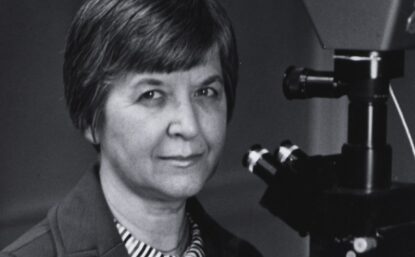
Stephanie L. Kwolek
The former DuPont researcher is best known for inventing Kevlar, the lifesaving material used by police and the military.
DIGITAL EXHIBITIONS
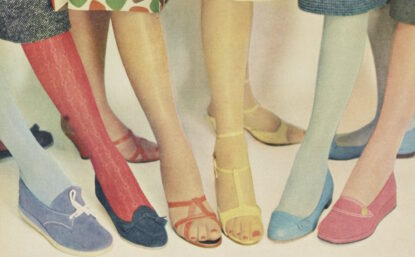
Nylon: From Labs to Legs
Discover the world’s first fully synthetic fiber and how it paved the way for countless other artificial materials.
DIGITAL COLLECTIONS
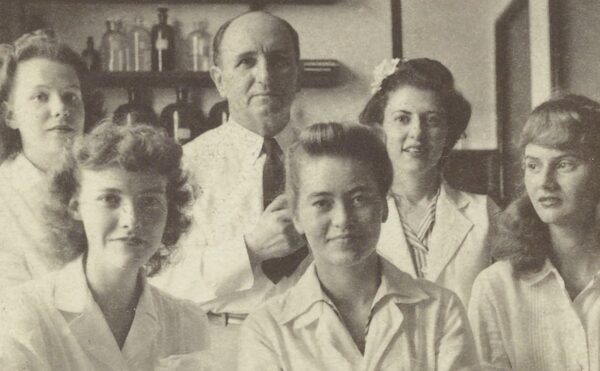
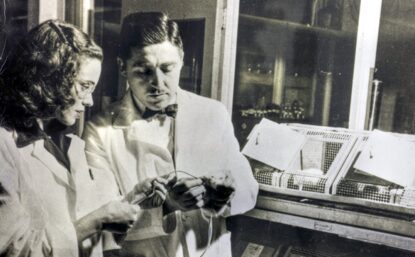
Oral History: Helen Free
Interview with the biochemist who coinvented the first dip-and-read urine test strip for people with diabetes to monitor their glucose levels at home.

DISTILLATIONS MAGAZINE
In the Pink
Wrap up and discover the history of home insulation.
DISTILLATIONS MAGAZINE
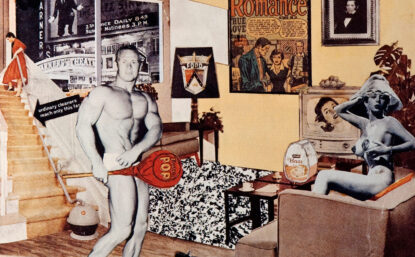
Richard Hamilton’s Plastic Problem
Pop artists set themselves apart by addressing throwaway culture. But how could they make the disposable last?
EXHIBITIONS
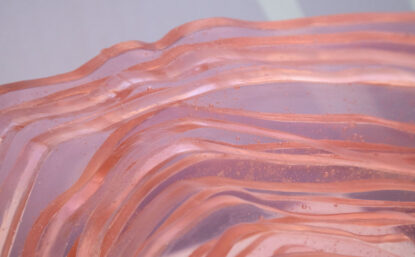
Enabling Transparency
Glass artist Anna Mlasowsky examines the history of the rare earth elements and their impact on communities and the environment.
SCIENTIFIC BIOGRAPHIES
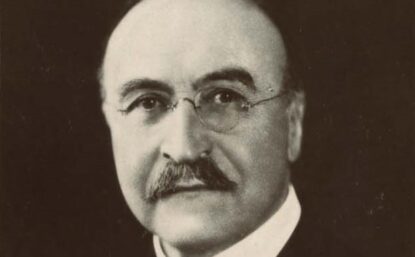
Leo Hendrik Baekeland
The Belgian-born chemist and entrepreneur invented Bakelite, the first fully synthetic plastic.

DIGITAL EXHIBITIONS
Second Skin: The Science of Stretch
Learn about the materials and techniques used to create stretch and compression fabrics.
DISTILLATIONS MAGAZINE
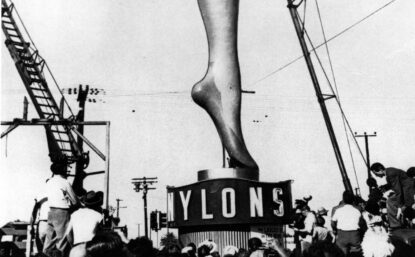
Nylon: A Revolution in Textiles
The invention of nylon in 1938 ushered in a textile revolution for consumers and the military alike.